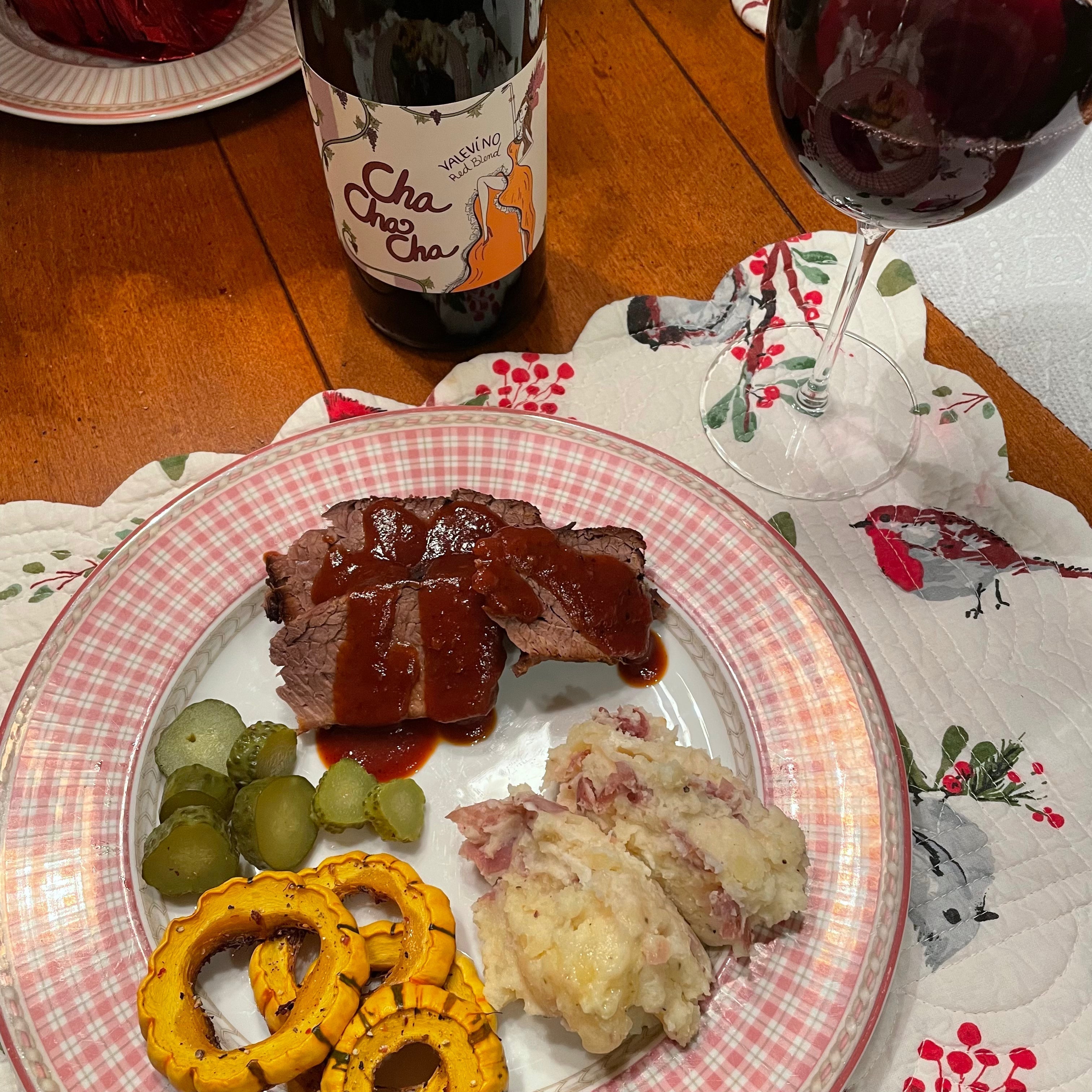
Thoughtfully made European wines with fabulously cheeky labels and easy pairings curated for you.

We're a sister-founded wine brand, bringing a little more cheek and a lot less snob to the wine world.

We source our hand-selected wines from family-run vineyards abiding by strict EU quality standards.

All our wines are thoughtfully made with you in mind. We never add dyes, concentrates or unnecessary sugars.
SHOP WINE
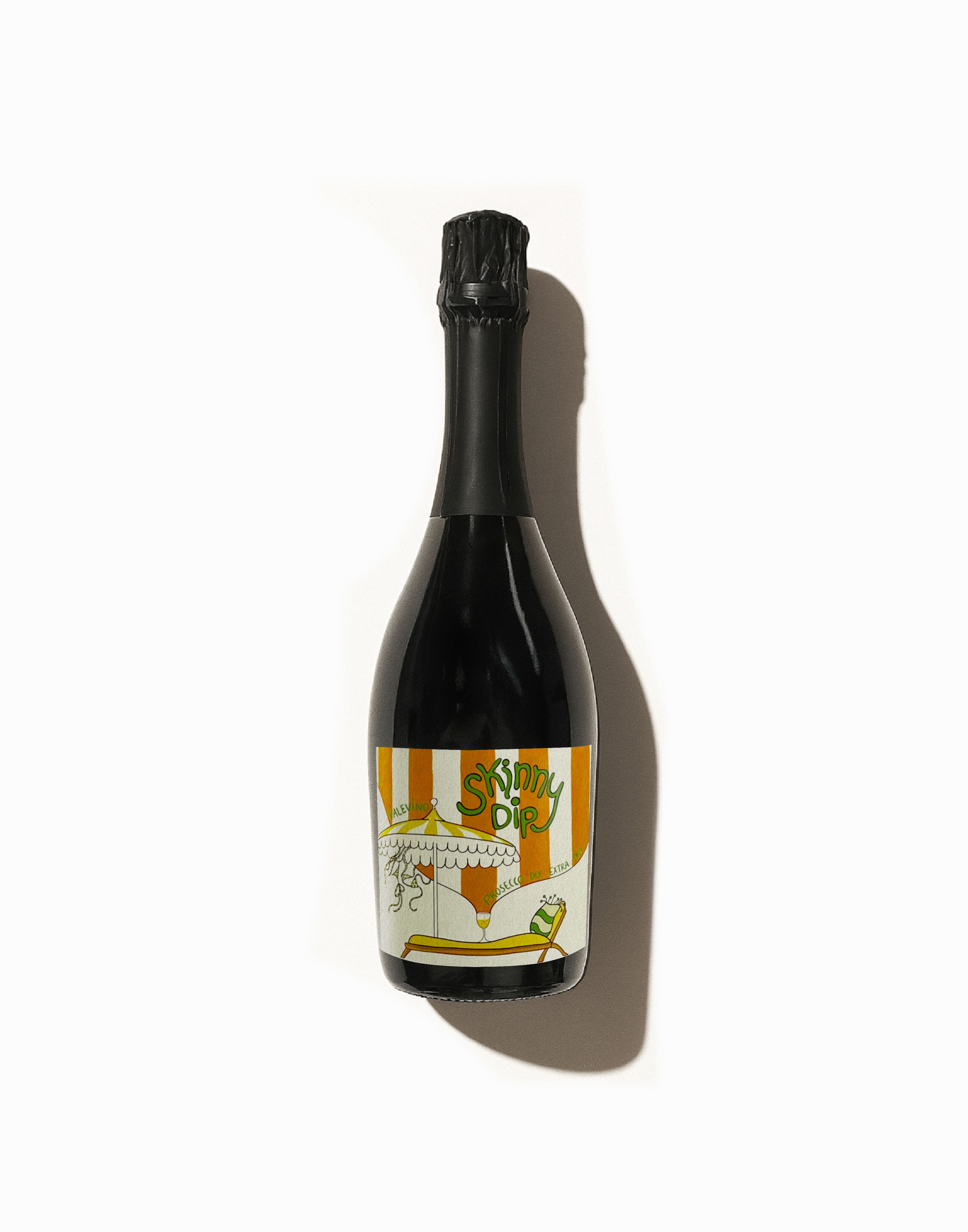
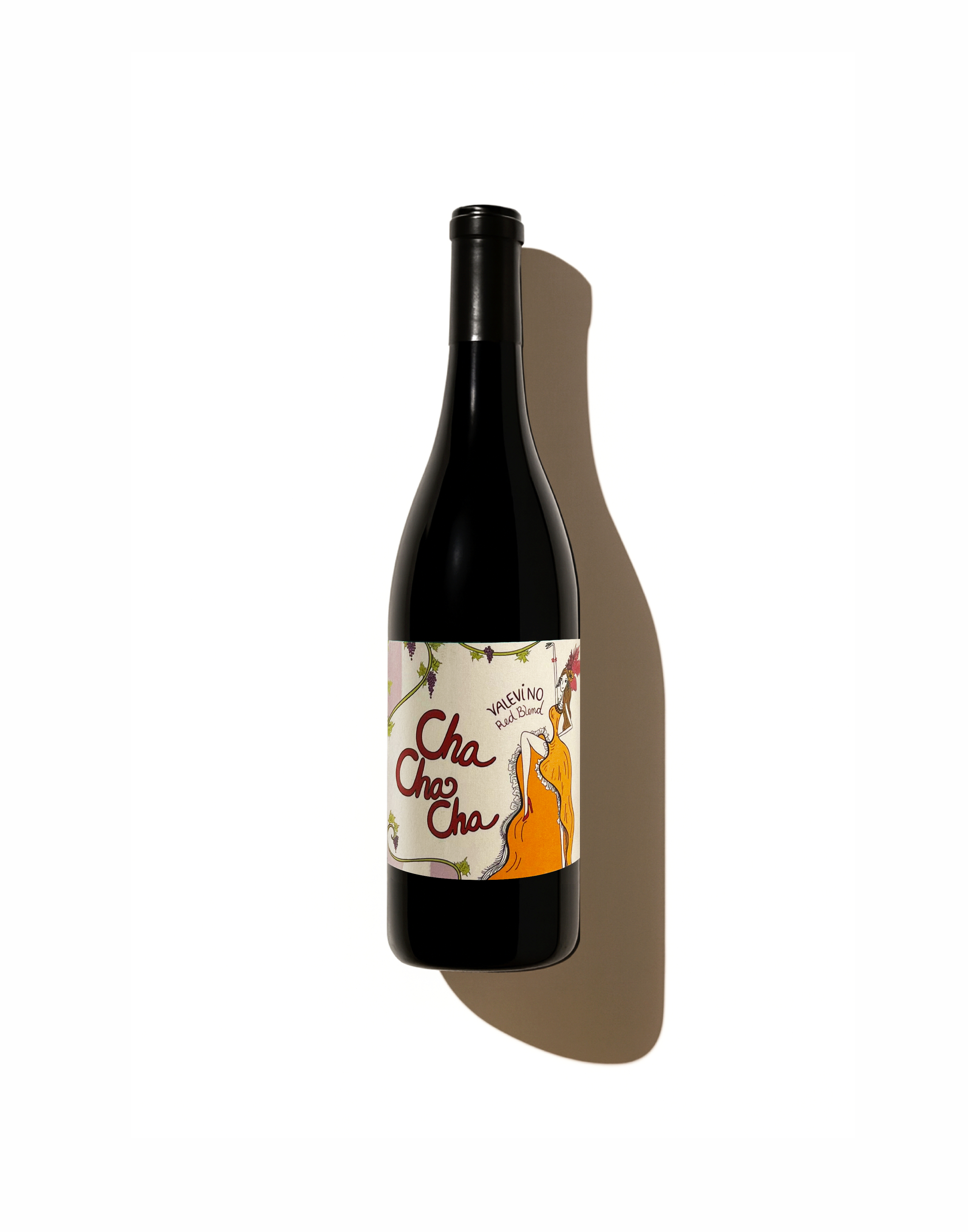
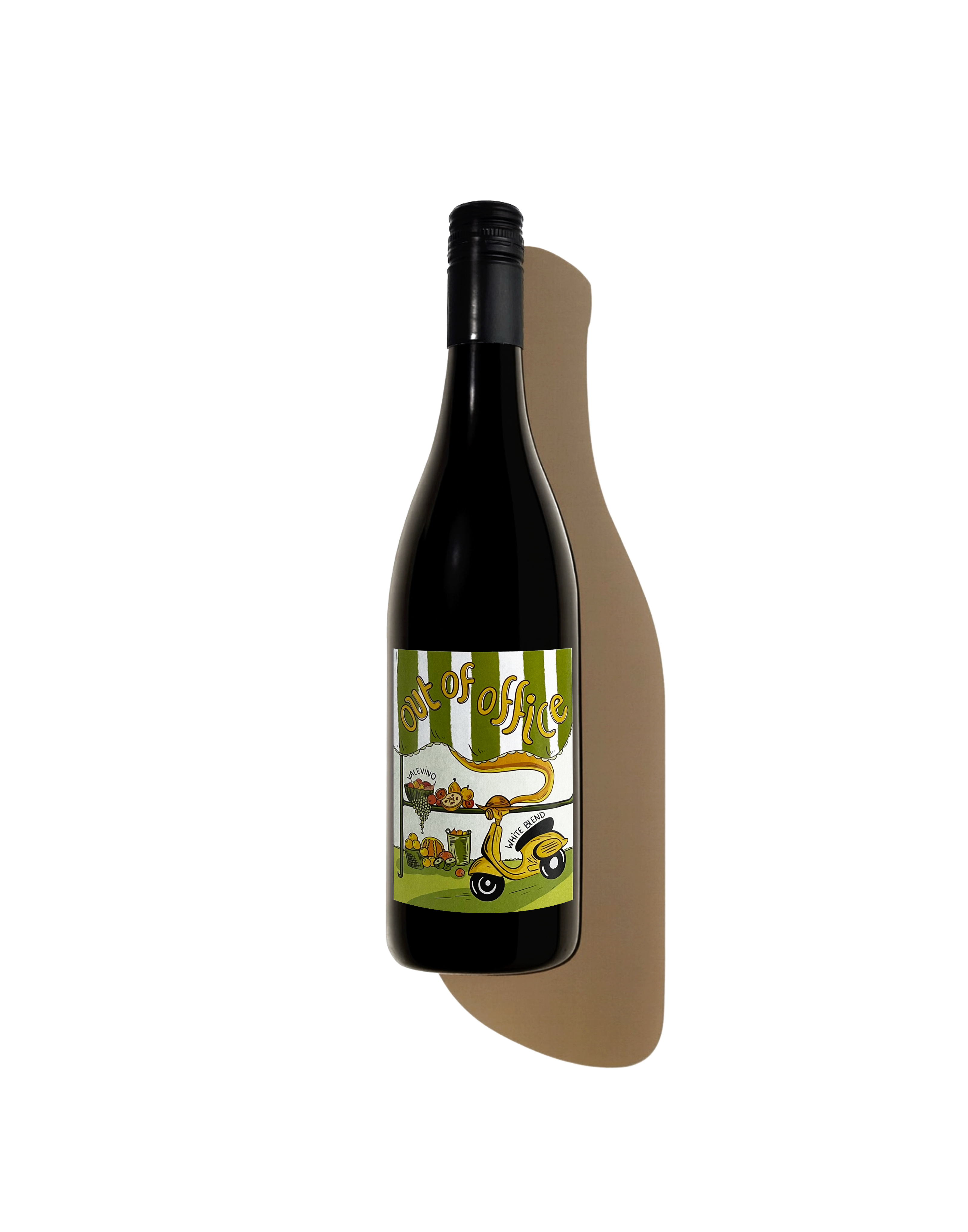
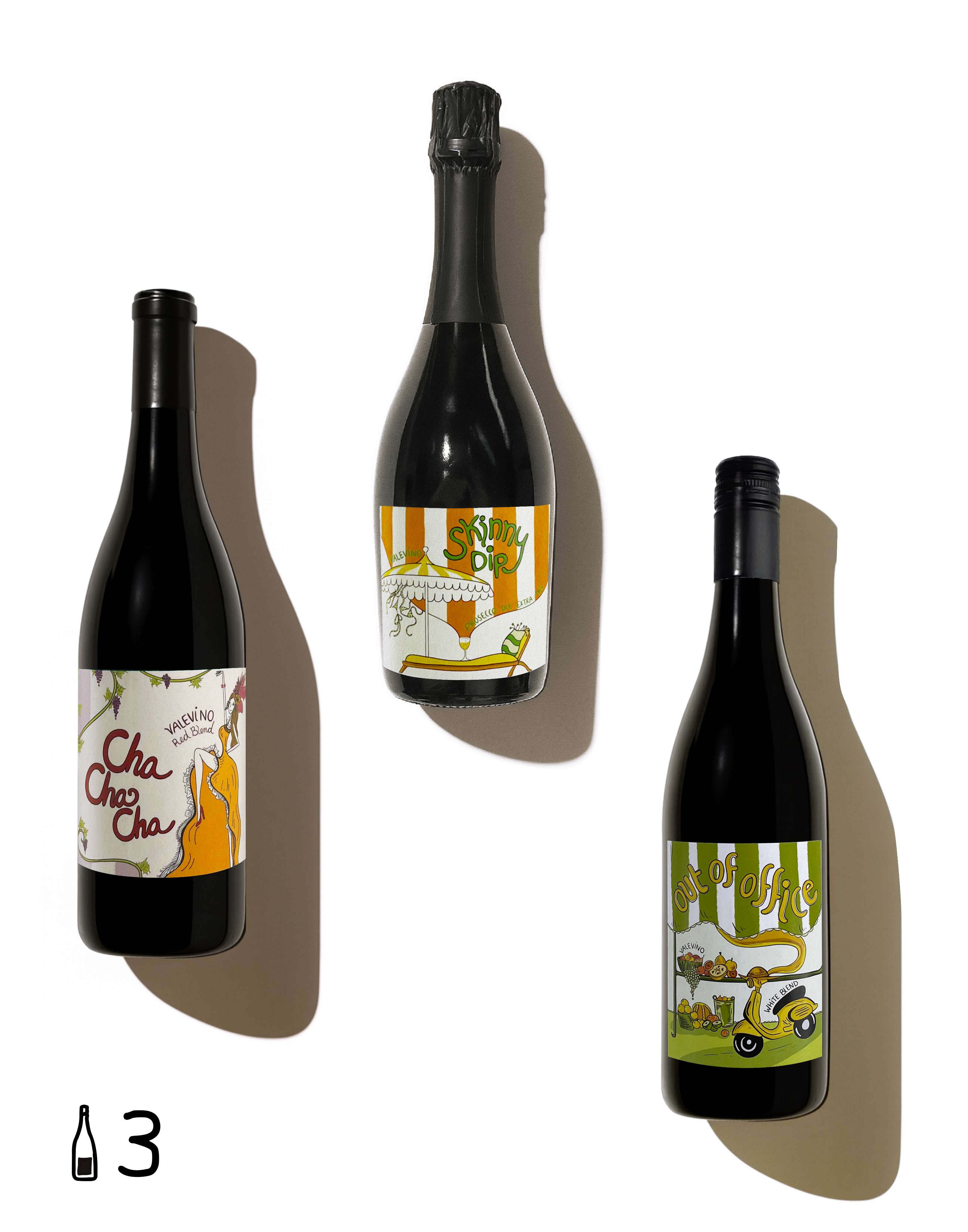

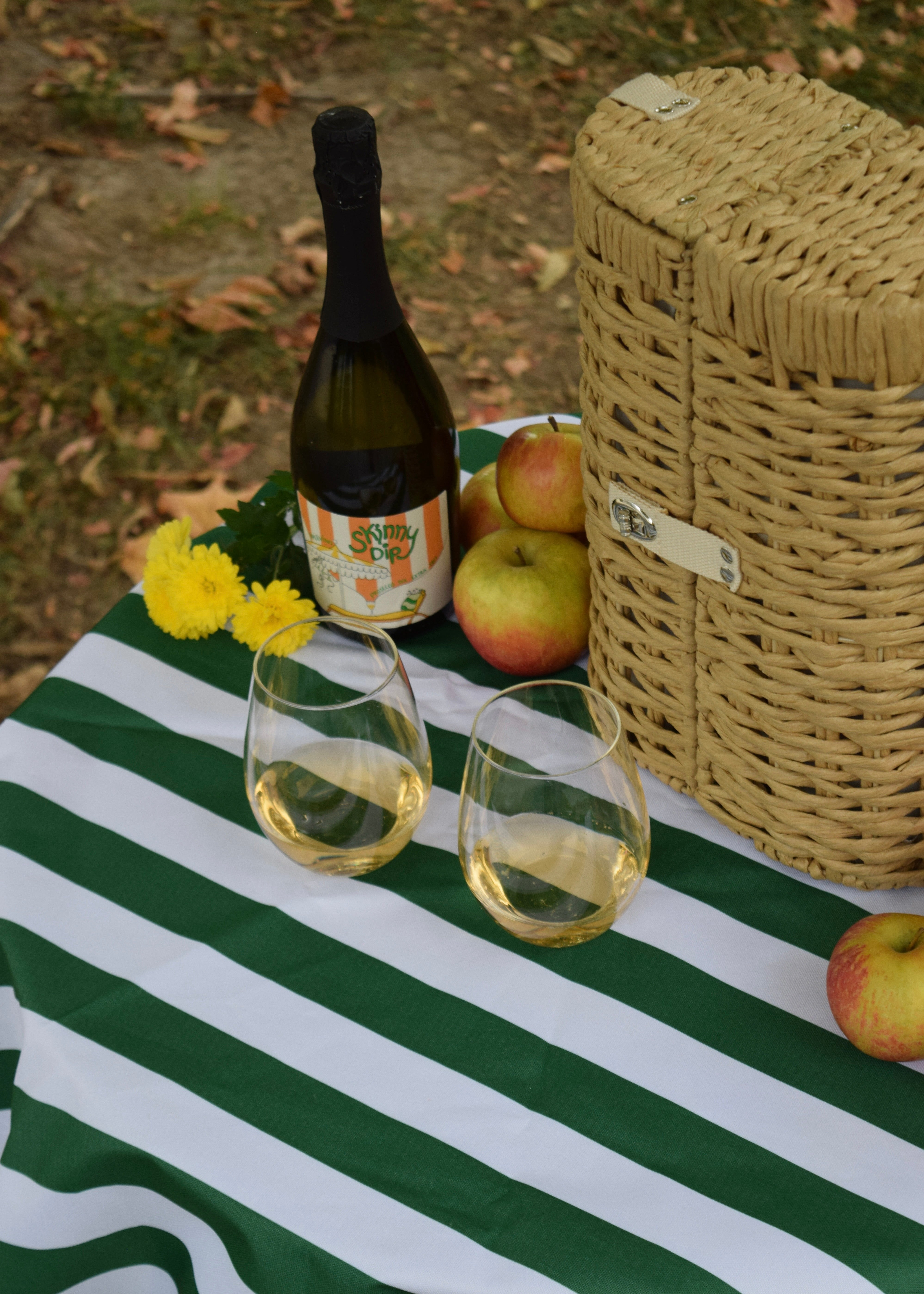
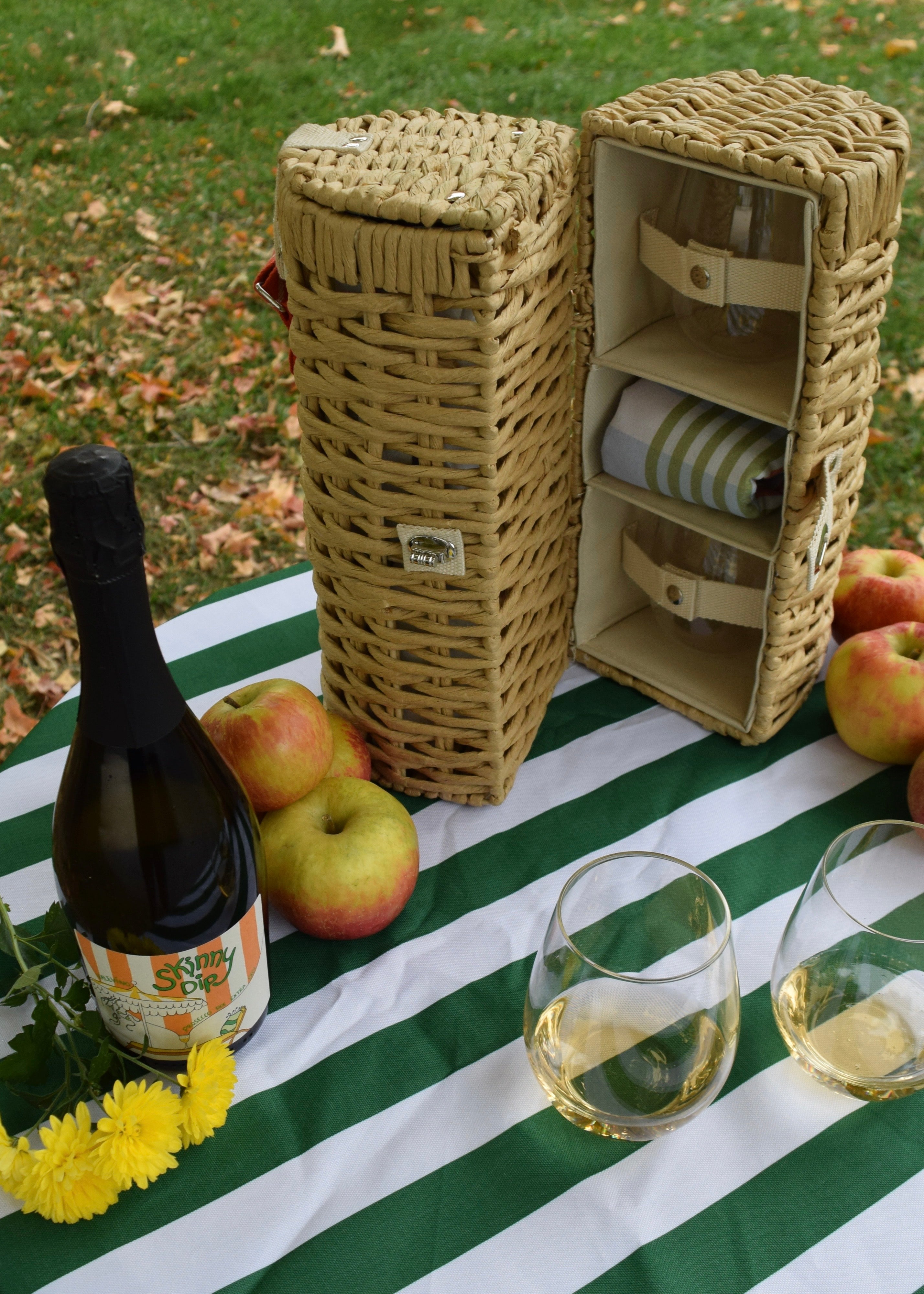


Sister-founded wines for getting offline
Tired of bad grocery store wine and boring labels? Ditto, babe. We (Sarah & Emily) started Offline to bring you great wine that's easy to enjoy & fun to drink. We'll give you pairing suggestions for when you’re looking to mix things up, but our wines can be uncorked for any occasion.
featured in





Shop the Feed
Wine-spiration for all your offline activities


Wine shouldn't be complicated...

OFFLINE RULES
NO ADDED DYES OR CONCENTRATES
Why do we source wines with no added dyes or concentrates?
As with junk food, many additives, dyes, and concentrates are used in wine. We believe it’s important to know what you’re putting in your body, and we have concerns about what isn't required to be disclosed on wine labels in the US. This is why we source our wines from Europe. Just as with many food products, Europe has stricter regulations on what can be used in the farming and production of wine than the US does.
Key Differences Between European and American Wine: Additives, Pesticides, and Production Regulations
- The EU allows fewer additives in wine (~60 additives are permitted in the EU, and 70+ are allowed in the US), and strictly regulates their use. Of the allowed additives in the U.S., the National Institutes of Health (NIH) classifies 10 as “health hazards,” and 2 are considered acute toxins. Not all wine additives are bad. Things like yeast are added during the wine production process to convert the grapes from fruit to wine.
- Mega Purple and Ultra Red (highly concentrated grape juices used to change the color, texture, and taste of wine) are commonly used in U.S. Wine production. Mega Purple and Ultra Red are highly regulated in the EU and, in most countries and situations, are not allowed to be used.
- In the U.S., it’s legal to add acids, sugar, and even water to wine, practices that can affect wine quality and healthfulness. In the EU, adding water to wine is almost always forbidden, and any addition of acids or sugar is highly regulated and only permitted under special circumstances.
Within the US and the EU, there may be stricter regulations at a state, country, or regional level.
Read more about additives in wine here: https://www.offline.wine/pages/a-note-from-us
MADE IN EUROPE
Why are all our wines made in Europe?
Europe has strict guidelines about what can go into wine (added dyes, concentrates, sugars, and additives) and limits the use of pesticides and synthetic fertilizers. European wines must also comply with environmental regulations regarding irrigation and the use of recycled glass bottles. We choose to source from Europe to bring you cleaner, more sustainable wines.
European Wines and Pesticide Regulations
The EU has stricter regulations around the use of pesticides in vineyards than the U.S. In 2013, the European Union voted to ban three of the most common pesticides: imidacloprid, clothianidin, and thiamethoxam. Those pesticides and others are still used widely in the United States. Grapes are very porous. Approximately 95% of non-organic grapes tested by the United States government contained detectable levels of pesticides. Choosing European wines reduces your exposure.
Europe limits synthetic Fertilizer Use
Regulation (EU) 2019/1009 sets safety, quality, and contaminant limits (e.g., cadmium caps) for “EU fertilising products,” covering many inorganic/synthetic fertilizers. Many synthetic fertilizers are made from ammonia and contain byproducts from oil refining. Synthetic fertilizers can contaminate groundwater and pose health risks to people who handle them. The US allows synthetic fertilizers in non-USDA organic wine production.
European wines and sustainability
European regulation encourages the use of recycled glass bottles. European wine bottles contain, on average, 52% recycled material. Throughout the EU, many regions restrict and even forbid irrigation to preserve quality standards and be mindful of water usage. Irrigating grapes can make them grow larger (producing more juice for wine), but it can also use up a lot of water and result in lower-quality wine. Many vineyards are located in regions where water security is a concern (such as Spain and California), and irrigating vineyards can strain those communities. There is no U.S. regulation that bans irrigation in wine growing. Many American vineyards use some form of irrigation, especially in drier regions.
SUPPORTING SMALL BUSINESSES
Why do we believe in supporting small businesses?
As a small sister-founded business, we are constantly looking to partner and support other small businesses. We grew up in a small town in Wisconsin and saw firsthand how small businesses were the cornerstone of our community. We hope to play the same role in the communities that we operate in.
We choose to work with family-owned vineyards in Europe that share our values and produce quality, clean wines.
CURATED FOR YOU
To be honest with you, when we first started doing research in the wine industry we did not expect that we'd launch our own wine brand – actually it was at the top of the list of things we didn't want to do. What changed our mind? Talking to you!
Our entire business from the ground up is built for our customers. We feel your pain because we've been there. We were tired of wine names we couldn't pronounce, boring labels, and bad wine. We found out you were too!
Talking to you and creating products for you is our favorite part of our jobs! We connect with our customers to keep them at the heart of every decision we make. From blind taste tests and food pairing focus groups to A/B testing when it comes time for new labels – we're constantly getting feedback from people like you to improve our products and create the best experiences for you.